Help Navigating Hard Relationship Problems
Whatever brought you here, I promise you, someone else has sat across from me and said the exact same thing.
Most recent posts
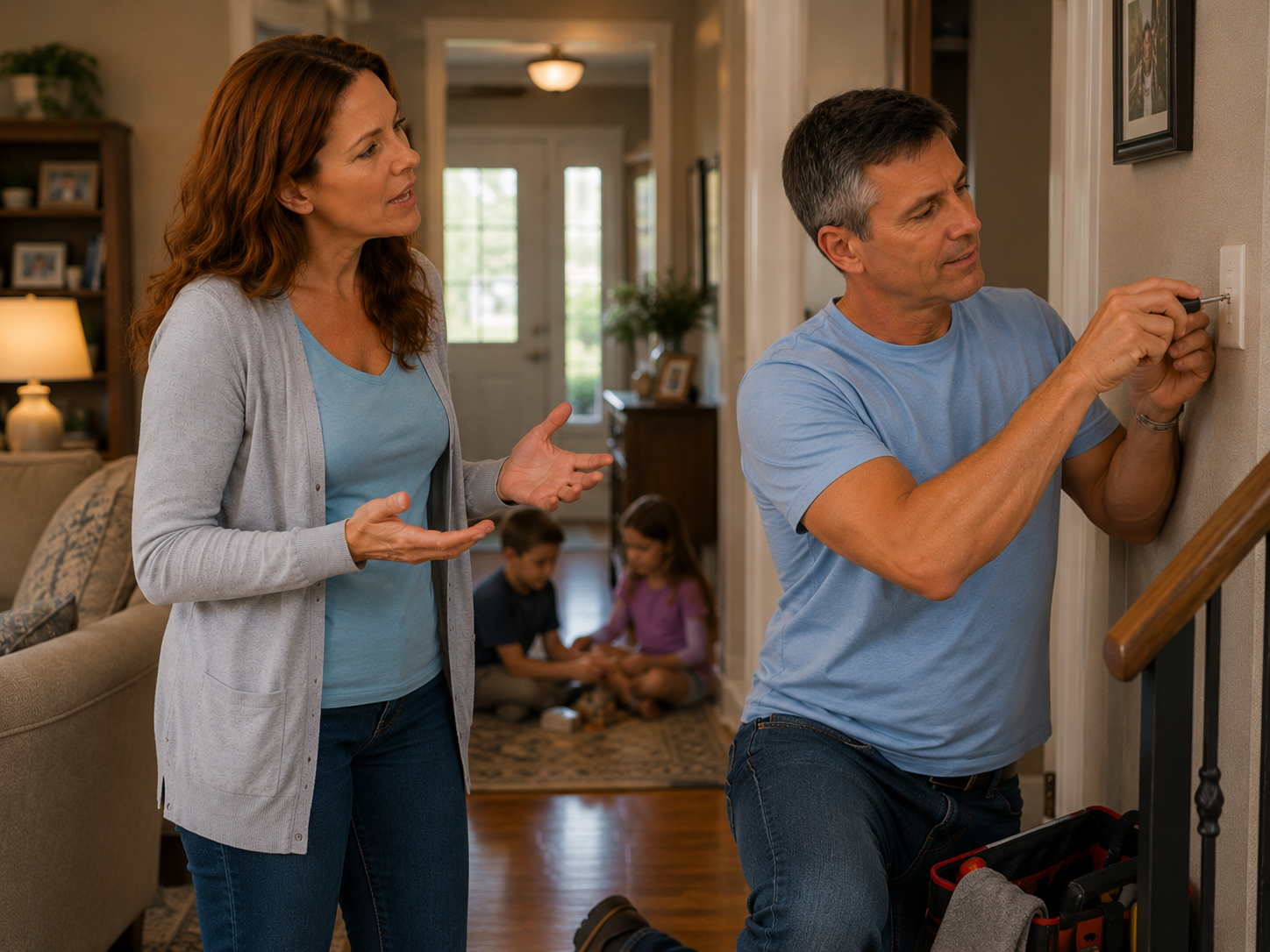
He was trying to help, and somehow that made it worse. Here is exactly why your partner's problem-solving instinct is costing your relationship, and what needs to happen instead.
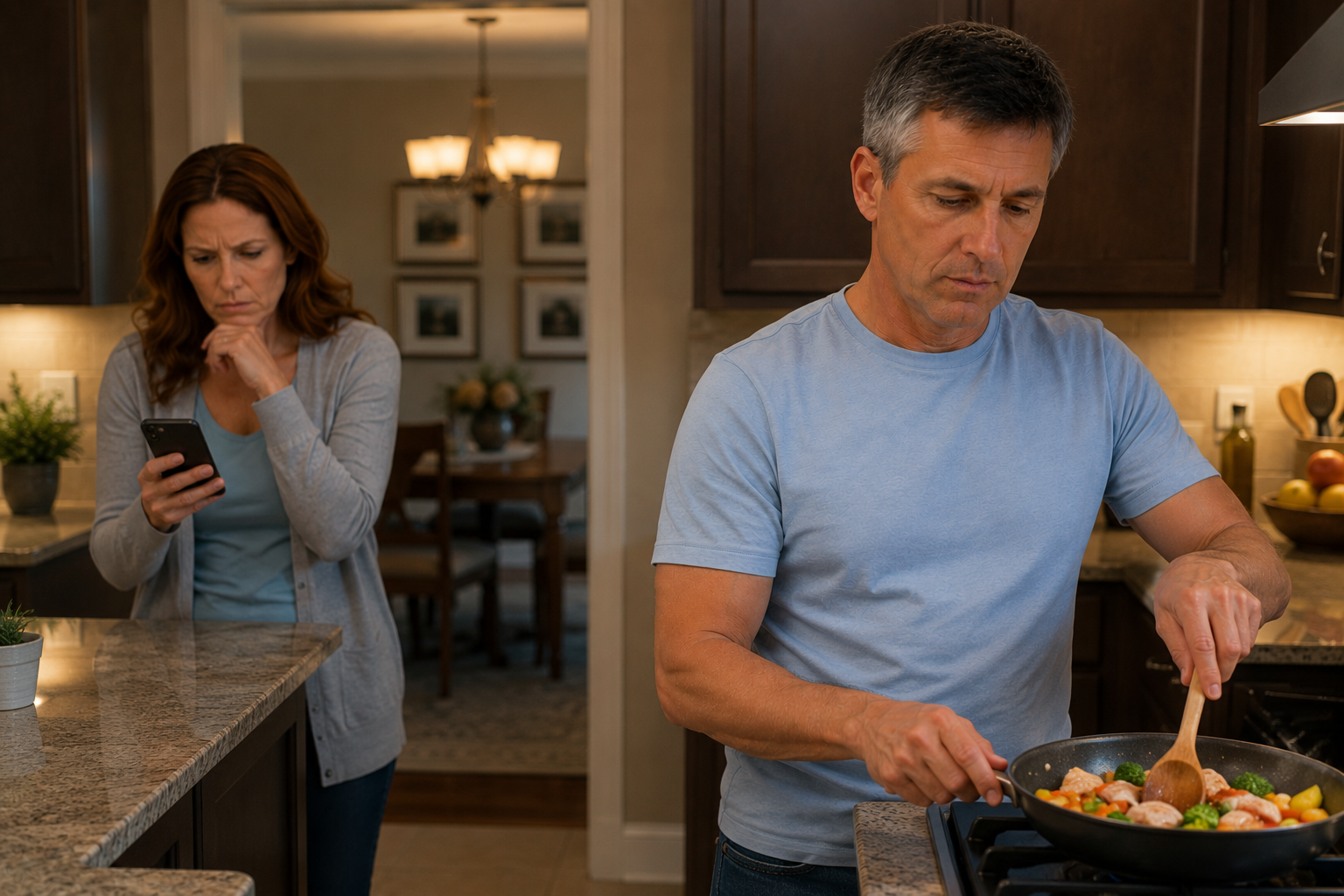
You have his passwords. You have location sharing. You check and find nothing. And you are still not okay. Transparency matters, but it has a ceiling. Here is what it cannot do and what actually heals you.
Most marriages don't fall apart because of one big fight. They erode slowly through small daily resentments that never get repaired. If you and your spouse are fighting about everything, feeling like roommates, or struggling with chronic irritation, this is what's actually happening and what to do about it.
He was trying to help, and somehow that made it worse. Here is exactly why your partner's problem-solving instinct is costing your relationship, and what needs to happen instead.
You have his passwords. You have location sharing. You check and find nothing. And you are still not okay. Transparency matters, but it has a ceiling. Here is what it cannot do and what actually heals you.
Most marriages don't fall apart because of one big fight. They erode slowly through small daily resentments that never get repaired. If you and your spouse are fighting about everything, feeling like roommates, or struggling with chronic irritation, this is what's actually happening and what to do about it.
Most people think they are setting boundaries when they are actually issuing ultimatums. A real boundary is not about controlling your partner’s behavior. It is about deciding what you will do when a line is crossed. This article explains the difference and shows how starting with small, enforceable boundaries can change the tone of a relationship without empty threats or escalation.
One of the most confusing parts of betrayal is still wanting the person who hurt you. That longing does not mean you forgot what happened or lack self-respect. It means your nervous system bonded deeply, and betrayal injured that attachment rather than erasing it.
Talking about relationship problems often feels productive but leads nowhere. Learn why communication alone doesn’t fix deep issues, when talking makes things worse, and what actually creates real change in relationships.
Betrayal doesn’t just hurt. It collapses your sense of safety and leaves you questioning who you are and what was real. If you don’t feel resilient right now, that’s normal. Resilience after betrayal isn’t about being strong or composed. It’s built quietly, through small choices like setting boundaries, caring for your body, and reminding yourself that what happened was not your fault. Healing doesn’t require perfection. It starts where you are, even in the middle of the mess.
Breakups are painful—even when the relationship had serious flaws. This article explores the neuroscience of attachment, why unhealthy relationships still hurt to lose, and how to make sense of complicated grief.
All couples fight sometimes, but it’s how you handle conflict that matters. This article offers six practical, research-backed tips to help couples navigate disagreements without damaging trust or intimacy.
Recovering from infidelity? Recovery is possible. Here are the steps you need to take to heal and move forward, rebuild trust, set boundaries, and find support. This article gives advice from infidelity recovery expert and author, Dr. Caroline Madden.
Get in touch
READY TO TAKE THE NEXT STEP?
I’d love to support you. Use the buttons below to learn more about me and get in touch for a free, confidential consultation.